
- Urgent care can provide temporary relief for dental pain, but cannot perform dental procedures like extractions, fillings, or root canals.
- Common urgent care treatments include pain relief, anti-inflammatory medication, and antibiotics for suspected infections.
- Urgent care is appropriate for dental pain with swelling, mild infection, or when a dentist is unavailable, but not for life-threatening emergencies.
- Dentists are the best option for addressing the root cause of dental problems and preventing future complications.
- Emergency rooms should be reserved for severe cases, such as facial swelling affecting breathing or a high fever.
- Being prepared with medication lists and a clear description of your pain helps make urgent care visits more effective.
- Urgent care serves as a temporary stopgap and should always be followed by a dental appointment for proper treatment.
Dental pain has a way of striking at the worst possible time—late at night, on weekends, or when your dentist’s office is fully booked. When the pain becomes hard to ignore, many people start wondering whether urgent care is a realistic option. Understanding what urgent care centers can and cannot do for dental problems can help you make a faster, more informed decision and avoid unnecessary delays in treatment.
Below is a clear, practical breakdown of how urgent care fits into dental pain situations, when it helps, and when you need to look elsewhere.
Can You Go to Urgent Care for Dental Pain?
If you are dealing with sudden tooth pain and cannot see a dentist right away, urgent care can be a short-term solution. Many urgent care clinics are designed to treat non-life-threatening conditions that still need prompt attention. Dental pain often falls into this gray area, especially when it is accompanied by swelling, fever, or signs of infection. While urgent care providers are not dentists, they can help assess the severity of your symptoms and rule out more serious medical issues.
It is important to understand that urgent care is not meant to replace dental treatment. Instead, it acts as a temporary stopgap when pain becomes unmanageable or when symptoms worsen outside normal dental office hours. Knowing this distinction helps set realistic expectations before you walk in.
Situations where urgent care may be appropriate
- Severe tooth pain with swelling
- Suspected dental infection or abscess
- Pain accompanied by fever
- Dental discomfort causing difficulty eating or sleeping
What Can Urgent Care Actually Do for Dental Pain?

Urgent care clinics focus on managing symptoms rather than fixing the underlying dental problem. Their main goal is to stabilize your condition and reduce discomfort until you can see a dentist. For many patients, this initial relief is critical, especially when pain interferes with daily life or rest.
During your visit, a provider will typically review your symptoms, examine your mouth externally, and check for signs of infection spreading beyond the tooth. This medical evaluation helps determine whether your condition can wait for a dental appointment or needs escalation to an emergency room.
Common treatments urgent care may provide
- Prescription antibiotics for suspected infection
- Short-term pain relief medication
- Anti-inflammatory medication to reduce swelling
- Medical referral to a dentist or oral surgeon
This approach often answers the common question, Does urgent care handle dental issues? The answer is yes—but only from a medical management standpoint, not a procedural one.
What Urgent Care Cannot Do for Dental Problems
While urgent care can be helpful, there are clear limitations to what they can offer for dental pain. Urgent care providers do not have dental training or specialized equipment needed for dental procedures. This means they cannot directly treat the source of most dental problems.
Understanding these limitations ahead of time can prevent frustration and help you plan your next steps more efficiently. If your pain is caused by a structural dental issue, urgent care will likely only offer temporary relief.
Services urgent care does not provide
- Tooth extractions
- Fillings or crown repairs
- Root canals
- Treatment for cavities or cracked teeth
Because of these limitations, urgent care visits should be viewed as a bridge to proper dental care, not a final solution.
When Should You Choose Urgent Care vs a Dentist or ER?
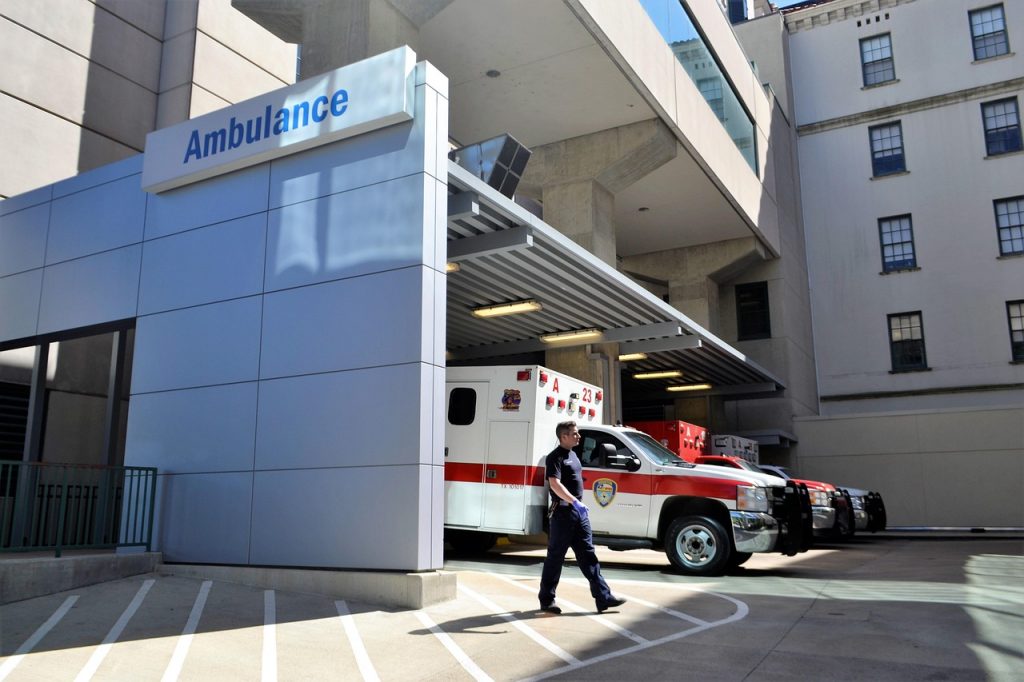
Choosing the right place for treatment depends on your symptoms and how severe they are. Urgent care is often appropriate for moderate to severe dental pain when a dentist is unavailable, but the situation is not life-threatening. Dentists remain the best option for addressing the root cause of tooth pain and preventing future complications.
The emergency room should be reserved for extreme cases where dental pain is accompanied by serious medical symptoms. These situations may indicate a spreading infection or other health risks that require immediate intervention.
Where to go based on symptoms
- Urgent care: Tooth pain with swelling or mild infection
- Dentist: Cavities, broken teeth, gum disease, ongoing pain
- Emergency room: Facial swelling affecting breathing, high fever, trauma
Making the right choice can save time, money, and unnecessary discomfort.
What to Expect During an Urgent Care Visit for Dental Pain
Knowing what will happen during your visit can ease anxiety and help you prepare. Most urgent care visits for dental pain are straightforward and relatively quick. The provider will focus on symptom control and determining whether your condition is stable.
You may be asked about the duration of your pain, any recent dental work, and whether you have other symptoms such as fever or swelling. After treatment, you will likely receive instructions on follow-up care and signs that require immediate attention.
How to prepare for your visit
- Bring a list of current medications
- Be ready to describe your pain clearly
- Ask about follow-up recommendations
- Schedule a dental appointment as soon as possible
This preparation helps you get the most value from a short-term visit.
Final Thoughts: Is Urgent Care Worth It for Dental Pain?
Urgent care can be a helpful option when dental pain becomes unbearable, and a dentist is not immediately available. It offers temporary relief, medical assessment, and peace of mind when symptoms escalate. However, it is not a substitute for professional dental care and should always be followed by a dental visit.
Understanding what urgent care can and cannot do allows you to make smarter decisions under pressure. When used appropriately, urgent care plays a valuable supporting role in managing dental pain safely and effectively.